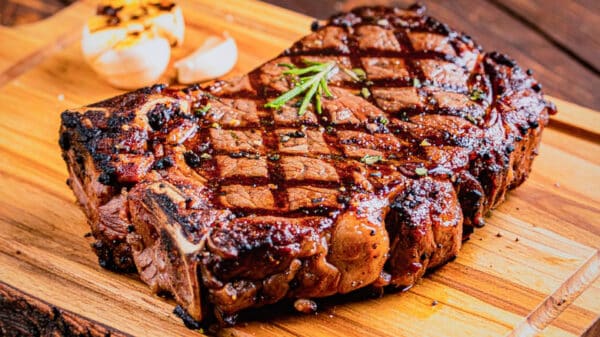











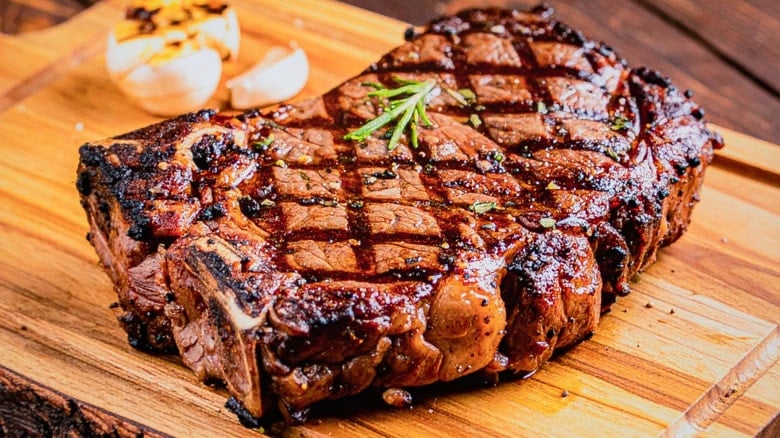
Not all ribeyes deliver the same experience. Dive into steak discussions, and you’ll soon discover that the “cut within the cut” can dramatically impact flavor and juiciness. Many might not realize the ribeye offers distinct cuts. This steak comes from the rib primal of the cow, spanning from the sixth to the twelfth rib. The source of your ribeye gives it a unique character, particularly the chuck end, which many chefs favor. This segment—spanning ribs six through nine—is definitely a cut worth asking for.
The chuck end shines due to its rich fat content—those wonderfully smooth, flavor-enhancing fat pockets. In comparison with the loin end, this part has a thicker fat cap and more intramuscular marbling. This means as the meat cooks, the fat melts beautifully into it, resulting in an incredibly juicy piece with deep, rich flavor. The loin end (ribs 10–12) features a larger, solitary longissimus dorsi muscle—the classic “eye”—that is known for its tenderness. However, this ideal visual representation comes with trade-offs: less fat leads to reduced moisture and subtler flavors. The chuck end, with its marbled spinalis dorsi—the ribeye cap—adds extra character via its smaller muscles and fat pockets, producing layers of flavor that significantly enhance each bite.
Choosing and Cooking a Chuck Ribeye or Ribeye Cap
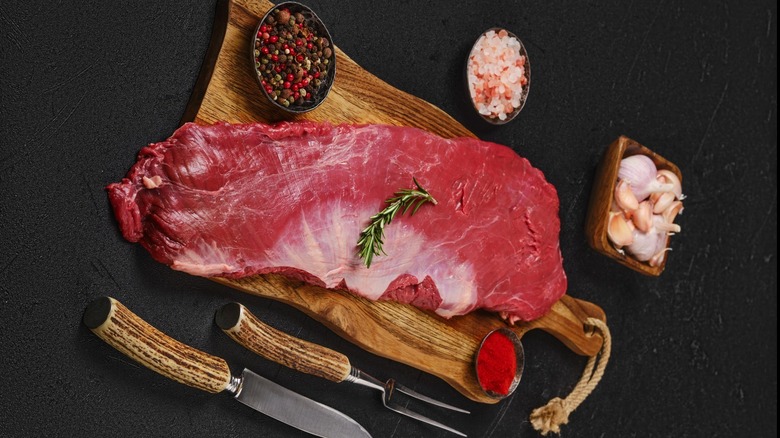
Locating ribeye cap can require a bit of effort, but the flavor payoff makes it worthwhile. You might find it at places like Costco, which occasionally stocks ribeye chuck. Online stores are another option, though they can be pricier. If you have a solid independent butcher nearby, ordering in advance is often your best bet. For those with some kitchen time, consider purchasing an entire ribeye roll. While the initial cost might seem high, the time saved later can be significant. When you do acquire ribeye cap, it’s typically rolled tightly into a cylinder, bound with butcher’s twine, and cut into steaks that resemble small filets, ensuring consistent marbling and size.
Cooking this cut is all about simplicity. Always allow the meat to come to room temperature. Then, season it liberally with salt and pepper—the marbling does the flavor work for you. Given that the cap is thinner and packed with rich fat, it’s best to cook it quickly over high heat using a searing-hot cast iron skillet or a blazing grill, to lock in that inherent juiciness. Aim for about 3 to 4 minutes on each side, reaching an internal temperature of 125 to 130 degrees Fahrenheit for medium-rare. After cooking, let it rest for about five minutes; this step enhances your enjoyment of what might become your favorite steak. To truly appreciate the essence of ribeye, start with a request for the chuck end at your butcher. Your taste buds will see the difference.