















Baking is a beloved art, and everyone has their own cherished secrets, like the unique flour mixes that yield heavenly cookies or the techniques that guarantee a flawless cake. One surprisingly simple tip can elevate your baked goods to bakery-quality without requiring new ingredients or a change in your usual recipe. The secret? Toasting the flour before incorporating it into your dough.
At first glance, toasting flour may seem like a minor adjustment. However, consider the impact of toasting bread. The Maillard reaction occurs, releasing an inviting aroma while infusing the bread with a deep, nutty flavor. Similarly, when flour meets heat, its bland taste transforms into a subtle nuttiness, enhancing the final product immensely.
While the flavor enhancement is notable, the texture of your creations also improves significantly. Toasted flour causes the proteins that contribute to gluten to break down, resulting in a softer and more tender texture. This softness is especially delightful in delicate baked treats like shortbread cookies. Though it’s best not to replace all your flour with toasted flour for bread recipes, adding a small portion can still elevate the flavor.
How to toast flour
Toasting flour is straightforward and can be performed using various methods, including stovetop, microwave, or oven. Opt for a small amount, like a cup, on the stovetop or microwave to ensure even toasting. The oven method allows for more flour at once, so it’s perfect if you need a larger batch.
For the stovetop technique, heat the flour in a pan over medium heat, stirring continuously. In just a few minutes, it will begin to darken to a lovely beige and emit a toasted aroma. Remove it from the heat and allow it to cool before using. For the oven method, spread flour on a parchment-lined baking sheet and place it in a 350-degree Fahrenheit oven for about 30 minutes, stirring every five minutes to prevent burning. If using the microwave, heat in thirty-second intervals, stirring in between, for about five minutes total.
Additional considerations for toasting flour
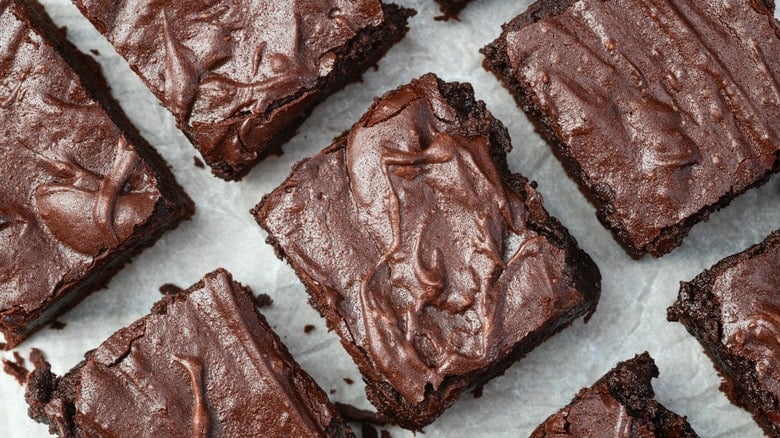
In recipes like cookies and brownies, using toasted flour primarily enhances flavor. The egg content in these treats ensures that they retain their structure despite the alteration. Feel free to toast all the flour for such recipes without worrying about stability. However, for yeast breads that require rising and a solid dough structure, it’s wise to limit toasted flour to about 10% to 20% of the total flour to preserve the necessary structure.
Good candidates for toasting include all-purpose, whole wheat, and bread flours due to their higher protein content. Avoid using cake flour, as it’s lower in protein and will struggle with structure after toasting. Alternative flours like oat and coconut can also be toasted, especially since gluten-free recipes accommodate the absence of gluten.