










The Timeless Choice of Paper Flour Bags
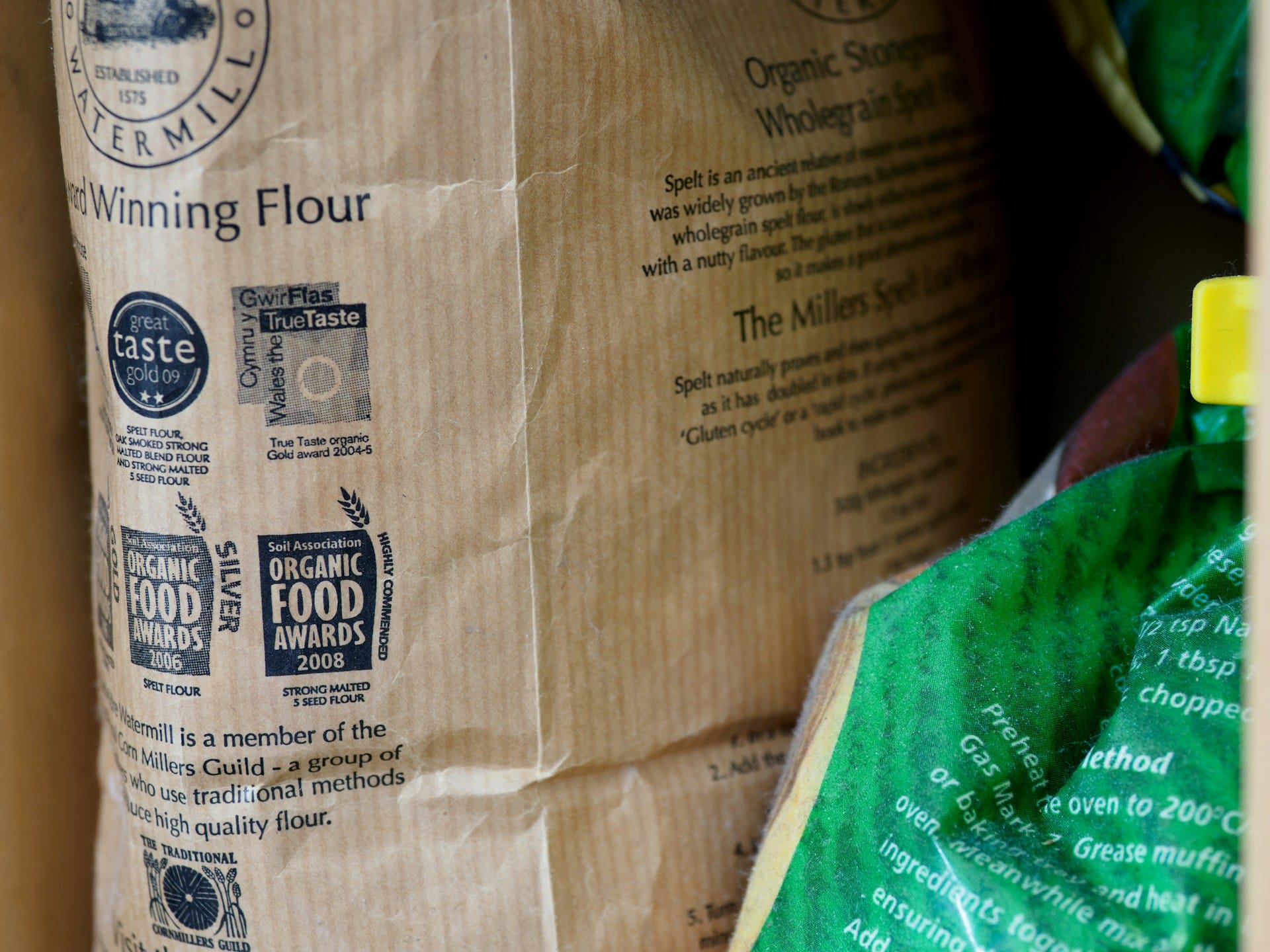
When you picture the last time you grabbed a bag of all-purpose flour, what comes to mind? It may be a simple paper bag, lacking the flashy designs seen in many modern food products but exuding a sense of tradition and nostalgia. This enduring packaging choice, dating back to the 1920s and cemented by the 1940s, serves not only aesthetic purposes but also practical ones that contribute to the quality of the flour inside.
Why Paper?
Many might wonder why flour hasn’t followed the trend of sleek and modern plastic packaging. The answer lies in the unique properties of flour. All-purpose flour, often viewed merely as an essential cooking ingredient, is surprisingly delicate. It is not impervious to spoilage; conditions such as moisture can lead to clumping or even mold, which can ruin your baking projects.
Paper bags provide the ideal environment by allowing the flour to “breathe.” This ventilation is vital, as it lets excess moisture escape—helping maintain the flour’s integrity for a longer time. While flour can last up to a year under ideal storage conditions, improper storage can lead to rancidity, often detectable through smell, texture, and appearance.
Historical Packaging Evolution
Interestingly, paper wasn’t always the go-to option for flour packaging. In the early 20th century, flour was typically stored in heavy wooden barrels, which were cost-prohibitive for transportation. The advent of the sewing machine allowed a shift toward lighter cotton sacks, which not only reduced shipping costs but also became a favorite in rural areas. People creatively repurposed these bags into clothing, dish towels, and even blankets, showcasing a resourceful spirit that still resonates today in the trend of upcycling.
By the 1940s, businesses made a decisive shift to paper packaging. This move not only cut costs further but also made it easier for consumers to purchase manageable amounts of flour. This convenience has since made paper packaging synonymous with flour purchases.
Best Practices for Storage
While paper bags are beneficial right off the shelf, they aren’t the end of the line for optimal flour storage. For long-term preservation, it’s advisable to transfer flour into an airtight container after opening, ideally a glass jar. This simple action can significantly extend its shelf life, protecting it from contaminants and moisture while keeping your baking endeavors successful.
Conclusion
The humble paper bag may not sparkle with modernity, but it plays a crucial role in maintaining the quality of flour. Its practicality, history, and connection to nostalgia contribute to its continued popularity. So, next time you reach for that bag of flour, take a moment to appreciate its heritage—and remember the simple steps that will ensure it stays fresh for your next culinary masterpiece.
Image Source: Unsplash