

















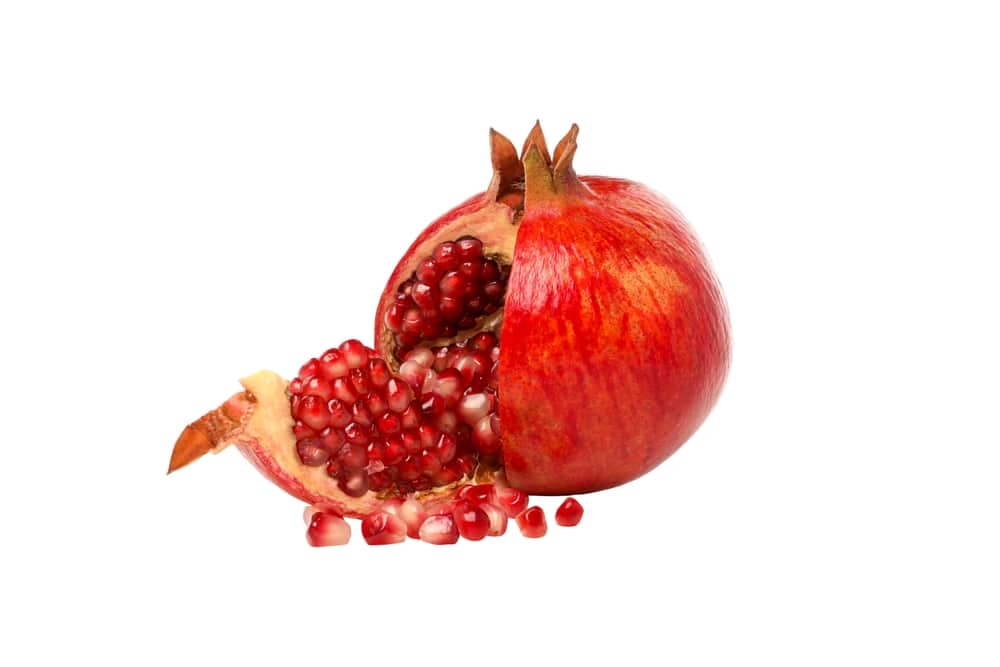
- Pomegranates are a nutritious, seasonal fruit high in fiber and antioxidants, available from late September to November.
- Removing pomegranate arils underwater minimizes mess and keeps your kitchen clean.
- Pomegranate arils add tart-sweet flavor to salads, roasted vegetables, meats, desserts, and snacks.
Pomegranates, with their vibrant red color, are not just visually appealing; they pack a nutritional punch. Available from late September to November, these fruits bring a festive flair to your meals during the cooler months. The delightful balance of their tart and sweet flavor complements seasonal produce such as Brussels sprouts and sweet potatoes, enhancing your fall meals.
The health benefits of pomegranates are noteworthy. They’re rich in fiber and antioxidants, which can aid in managing triglyceride levels and LDL cholesterol, vital for maintaining heart health.
However, opening a pomegranate can be a messy task. While pre-packaged arils are available, opting for a whole fruit ensures freshness and often a better price. A nifty tip to simplify the process is to remove the arils underwater. This method keeps things tidy and prevents the red juice from splattering everywhere. Keep reading to discover how to select a ripe pomegranate, open it with ease, and enjoy everything it has to offer.
How to Select a Ripe Pomegranate
Identifying a ripe pomegranate can be tricky due to its tough exterior. The seeds, known as arils, are hidden beneath a thick skin, much like orange segments. Use these strategies to ensure you pick a good one.
Color: Choose a fruit with deep red hues. Note that colors may differ between cultivars. The most common varieties are red, but at local markets, you might find shades ranging from yellow to purple. Don’t hesitate to ask about the best color indicators of ripeness.
Weight: The weight of a pomegranate is a good indicator of ripeness. A heavier fruit typically contains more juice, indicating it’s ripe.
Appearance: Look for vibrant color and a smooth surface without scratches, cuts, or decay. The skin should give slightly when pressed, rather than feeling completely rigid.
How to Cut a Pomegranate
Before cutting into the pomegranate, gather these items:
– A plastic cutting board to avoid stains.
– A large bowl filled with about 1½ to 2 cups of cold water—enough to comfortably submerge the pomegranate and your hands.
– A colander that can catch suctioned arils, as a pomegranate can hold around a cup of them.
– A sharp knife for cutting.
Step 1: Cut Off the Blossom End
Start by cutting off the pointed blossom end of the pomegranate. Slice only a little to expose the inner arils and pulp.
Step 2: Score the Skin into Six Sections
Pomegranates have a subtly hexagonal shape. Score the skin along its ridges gently. Avoid going too deep to protect the arils inside.
Step 3: Break Apart the Sections
Hold the pomegranate over the bowl of water and carefully pull it apart into sections along the scored lines. The water catches any arils that fall out, reducing mess.
Step 4: Scoop Out the Arils from Each Section
Take one section and place it in the water. Using your fingers, scoop out the arils. Tapping the pomegranate may help dislodge more arils. Don’t worry about pulp—any floating bits will be easy to remove later.
Step 5: Repeat for All Sections
Continue removing arils from the remaining sections while keeping the first section’s arils in the water.
Step 6: Drain Water and Remove Pulp
As you scoop, pulp will float to the surface. Pour off some water to let the lighter pulp escape while keeping the arils at the bottom of the bowl.
Step 7: Clean the Colander
Dispose of any pulp residue and rinse the colander to keep your workspace clean.
Step 8: Rinse the Arils
Finally, drain the arils in the colander and rinse them under cold water to remove remnants before storage. For best freshness, keep them in an airtight container in the fridge for four to five days.
How to Use Pomegranate Arils
The unique flavor of pomegranate arils—tart yet sweet—adds complexity to various dishes. Pair them with goat cheese and arugula for a vibrant salad, or sprinkle them on roasted Brussels sprouts for a delightful contrast.
They can also be juiced or made into molasses, often used as a glaze for roasted meats. Not limited to savory applications, pomegranate arils enhance sweet recipes, making for nutritious toppings in yogurt parfaits or oatmeal.
Frequently Asked Questions
- Are you supposed to eat the seeds of a pomegranate?
Yes, the seeds, also called arils, are the edible part of a pomegranate. The seeds are rich in antioxidants, which help reduce inflammation. They’re also high in fiber and potassium. It’s best to avoid consuming the pith, as it is bitter, and discard the skin.
- What is the proper way to eat a pomegranate?
Slice off the blossom end to expose the arils, then score the fruit along its ridges. Pull apart the sections over a bowl of water to catch the arils, then use your fingers to scoop out the arils while draining and rinsing before consumption.
- Do you eat the whole pomegranate seed or spit it out?
The entire seed is edible. You can enjoy both the juicy part and the seed itself. Pomegranate seeds are filled with antioxidants and fiber.