






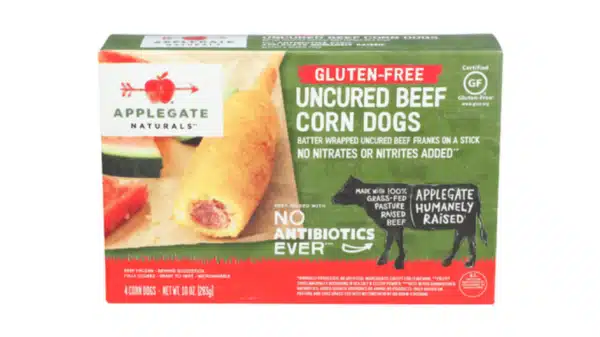









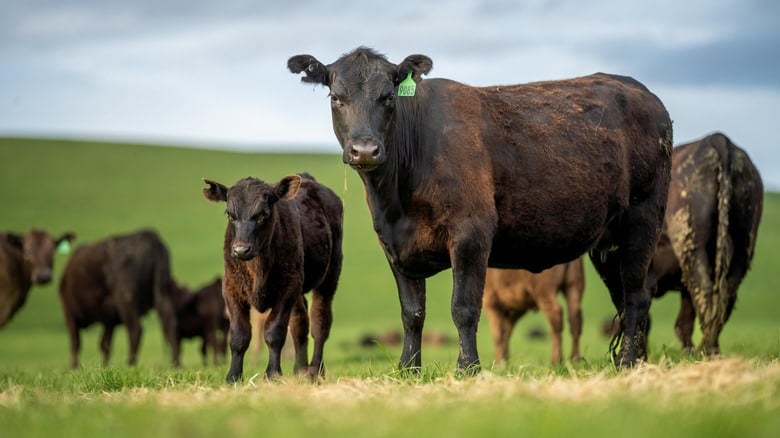
Understanding the labels on beef packaging is crucial for making informed choices about what you eat. Knowing the distinctions between grass-fed and grain-fed beef can greatly impact your perception of quality and flavor, along with insights into where your meat originates. You may often encounter the term “pasture-raised,” which focuses on the living conditions of the cows rather than their diet. It’s essential to approach this label critically, as its meaning can vary significantly.
In an ideal scenario, pasture-raised cattle spend their lives outdoors on grasslands, avoiding cramped stalls or indoor environments. This method is praised for its humane and ethical treatment of animals. However, there’s a key issue: the USDA does not regulate the term “pasture-raised.” This lack of oversight permits companies to define the term however they see fit, resulting in a broad range of interpretations—cattle may be raised entirely on pasture, or they might only have brief time outdoors in minimal space. Therefore, while “pasture-raised” sounds appealing, assessing whether it genuinely reflects a humane practice becomes challenging without verification.
Additionally, it’s worth noting that simply being labeled as pasture-raised doesn’t guarantee that cattle are fed exclusively on grass. Many farmers may supplement their diet with grains unless otherwise specified. Conversely, grass-fed cows are not automatically defined by their living situations; certification is necessary to ensure they are truly 100% grass-fed and pasture-raised.
Verifying Humane Farming Practices
There are better ways to verify that the beef you purchase originates from humane farms. Seek out certifications from independent third-party organizations, such as A Greener World (AGW) and the American Grassfed Association (AGA). These organizations conduct inspections to confirm humane farming practices. To ensure the beef you buy is genuinely pasture-raised, look for certifications like Certified Animal Welfare Approved, Certified Grassfed, Certified Non-GMO, and Certified Regenerative from AGW.
A Greener World’s Certified Animal Welfare Approved program is renowned for its rigorous animal welfare certifications, emphasizing a commitment to pasture-raising. This certificate covers the animal’s life cycle from birth to slaughter, closely monitoring welfare throughout.
The American Grassfed Association mandates that certified animals must be unconfined, pasture-raised, and obtain a majority of their diet from grazing. Furthermore, Certified Humane is a widely recognized program, though its standards are less stringent compared to AGA or AGW, requiring at least some outdoor access for cattle instead of full pasture privileges.
Be cautious of vague or potentially misleading terms on beef packaging, such as “all natural” or “organic,” as these do not indicate how the animals are raised. The phrase “humanely raised” is also unregulated, similar to “cage-free,” which does not guarantee that chickens had meaningful space to roam.