










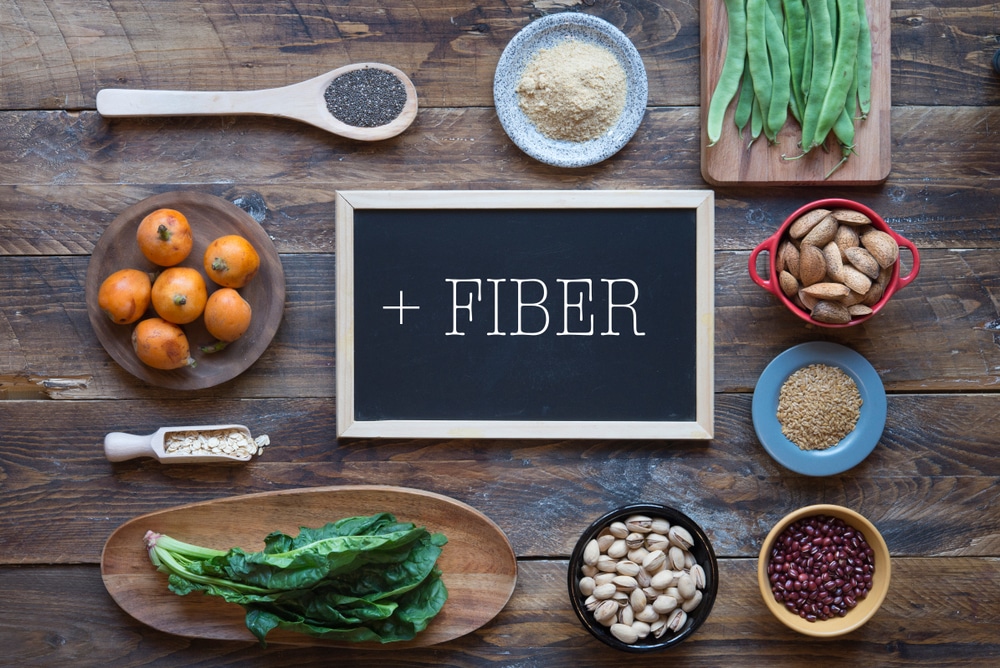
- Fiber is a non-digestible carbohydrate that supports gut health and healthy bowel movements.
- Some types of fiber may make IBS symptoms worse—soluble fiber is generally better.
- Everyone with IBS tolerates fiber-rich foods differently and has different trigger foods.
Irritable bowel syndrome (IBS) affects many individuals, with approximately 5% to 10% of the American population dealing with this complex gastrointestinal disorder.
The symptoms of IBS vary significantly from one person to another and can include issues such as constipation, diarrhea, bloating, abdominal pain, and even anxiety or depression.
Taking into account the fluctuating nature of IBS, identifying food triggers can be quite challenging, as experiences differ based on diet and individual responses.
Fiber is commonly recommended for fostering digestive health. However, if you have IBS, it may exacerbate issues like gas, bloating, or cramps.
Gaining insight into which type of fiber suits your body is crucial for effectively managing symptoms. Below, we explore what individuals with IBS should know about fiber, informed by dietitians’ expertise.
What Is Fiber?
Fiber, a carbohydrate that the body cannot fully digest, is naturally present in many plant-based foods.
It remains intact as it passes through the digestive system, promoting gut health, regular bowel movements, and enhancing gut microbiota. Fiber-rich foods encompass fruits, vegetables, whole grains, beans, nuts, and seeds.
There are two main types of fiber: soluble and insoluble. Soluble fiber dissolves in water, forming a gel-like consistency in the digestive tract.
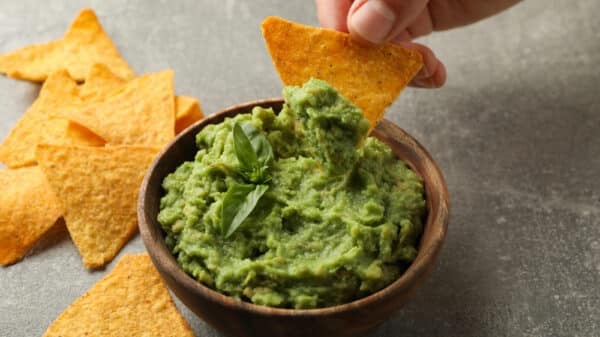
This fiber type helps slow digestion, encourages regular bowel movements and feeds beneficial gut bacteria. Foods that provide soluble fiber include avocados, psyllium, chia seeds, flaxseed, apples, and beans. Conversely, insoluble fiber does not dissolve in water, adding bulk to stool and assisting in its movement through the digestive system.
For those managing IBS, the type of fiber consumed often holds more significance than the overall quantity.
Clinical guidelines suggest that soluble fiber is typically better tolerated and may even alleviate symptoms. In contrast, excessive insoluble fiber can lead to gas, cramping, and bloating depending on the amount consumed.
Benefits of Fiber for IBS
Increasing fiber intake may feel daunting for those with IBS, yet fiber offers several health benefits.
Promotes Regular, Comfortable Bowel Movements
Soluble fiber such as psyllium husk can result in more predictable and well-formed bowel movements.
A meta-analysis involving fiber consumption in individuals with chronic constipation showed that intake exceeding 10 grams daily over a minimum span of four weeks led to improved stool frequency and consistency. For those with IBS and constipation, this can minimize straining and promote more comfortable and regular bowel movements.
Reduces Overall IBS Symptoms
Registered dietitian Danielle Smiley explains, “The right fiber aids in stabilizing the gut, controlling inflammation, and regulating bowel movements.”
The inclusion of soluble fiber can alleviate abdominal tension, spasms, and gas for those dealing with IBS symptoms.
Feeds the Gut Microbiome
Many soluble fibers function as prebiotics, nourishing beneficial gut bacteria.
“Prebiotic fiber consumption aids in invigorating the helpful bacteria in the gut, thereby enhancing the integrity of the gastrointestinal tract,” states registered dietitian Sue-Ellen Anderson-Haynes. Incorporating a variety of fiber sources promotes microbiome diversity.
Supports Overall Health
While alleviating IBS symptoms is crucial, adequate soluble fiber can positively influence cholesterol and blood sugar levels and assist in weight management.
There’s a noted connection between soluble fiber intake, lower cholesterol levels, and regulated blood sugar. Finding fiber sources that your body tolerates will support both digestive comfort and overall health in managing IBS.
Potential Drawbacks of Fiber for IBS
Insoluble Fiber May Worsen IBS Symptoms
Research indicates that insoluble fiber typically does not enhance IBS symptoms and can exacerbate abdominal pain, bloating, or urgency, especially for those with diarrhea-predominant IBS.
Since insoluble fiber accelerates digestive transit, experiencing increased stool frequency and cramps may occur with high intake if diarrhea is prevalent.
Sudden Large Increases in Fiber Intake Can Backfire
While fiber is beneficial for most individuals, rapid increases can be detrimental for those with IBS.
For many adults, the daily fiber intake recommendation is around 25 grams for women and 38 grams for men, roughly 14 grams for every 1,000 calories consumed. Gastroenterologist Aja McCutchen, M.D. warns that introducing fiber too quickly or in excessive volumes may lead to worsening symptoms for one-third of patients. Individualized nutritional therapy for fiber management is often most effective.
Fiber-Rich Foods Can Be High in FODMAPs
Individuals suffering from IBS may find that fermentable oligosaccharides, disaccharides, monosaccharides, and polyols (FODMAPs) can worsen symptoms due to increased fermentable load.
Registered dietitian Sadie Hitsky, M.S., RD emphasizes the importance of comprehending how FODMAPs interact with your system.
If certain fruits, vegetables, beans, or whole grains cause discomfort, adjusting portion sizes may help integrate these foods while minimizing digestive distress.
According to Ashley Berthoumieux, M.S., RD, CDN, LDN, following a low-FODMAP diet can help identify specific food triggers and manage symptoms effectively.
Low-FODMAP foods contain limited amounts of certain carbohydrates, reducing the likelihood of gas, bloating, and pain associated with IBS.
Best Fiber Foods for IBS
Knowing which types of fiber are suitable is pivotal when managing IBS.
The following list highlights some fiber sources best tolerated by individuals with IBS. Notably, fruits and legumes tend to be lower in FODMAPs while cooking vegetables makes them easier to digest.
| Soluble fibers | Psyllium, oats, chia seeds, flaxseed, barley |
| Fruits | Kiwi, oranges, blueberries, strawberries, bananas |
| Legumes | Canned lentils, canned chickpeas, firm tofu |
| Vegetables (cooked) | Zucchini, carrots, green beans, spinach, eggplant |
Other Tips for Getting Enough Fiber with IBS
- Collaborate with your health care provider: Working with a team that includes registered dietitians is critical for those managing IBS. There may be underlying issues that necessitate a doctor’s consultation. Gastroenterologist McCutchen advises seeking evaluation for persistent symptoms or any concerning signs such as unintended weight loss, bleeding, or severe pain.
- Prioritize color, type, and variety: Registered dietitian Katrice Mayo suggests incorporating fiber-rich elements into each meal throughout the day. Starting with a small portion of chia seed pudding or oatmeal at breakfast, followed by colorful options at lunch and dinner can aid in a balanced approach. Keeping a food journal will help identify potential trigger foods.
- Mind portion sizes: While many fruits, vegetables, and grains have low fermentable fiber levels in moderation, larger portions may raise FODMAP levels. Registered dietitian Berthoumieux notes that tolerating a wheat cracker does not imply you can handle an entire sandwich without issues. Total fermentable load plays a crucial role in managing symptoms.
- Add fiber to familiar dishes: Increasing fiber does not necessitate an entire dietary overhaul. Small adjustments can significantly contribute to your intake. Include seeds in smoothies, overnight oats or plant-based meatball mixes, as these minor tweaks can aid fiber consumption without feeling overwhelming.
- Pair fiber with adequate hydration: Fiber, irrespective of its type, requires sufficient water intake to navigate the digestive tract smoothly. Insufficient moisture can exacerbate IBS symptoms, even with proper fiber intake.
- Consistency over perfection: With IBS, a consistent fiber intake is beneficial. Drastic fluctuations in fiber consumption may trouble your digestive system. Maintaining a stable routine of fiber consumption can prove easier on the gut than alternating between low and high-fiber days.
Our Expert Take
Fiber plays an important role in gut and overall health, particularly for individuals with IBS.
The focus should be on choosing the suitable type and avoiding rapid increases in dietary fiber. Research indicates that soluble fiber tends to be the most beneficial for managing IBS symptoms, in contrast to insoluble fiber.
Soluble fibers, like those found in psyllium husk, are generally better tolerated and can enhance bowel regularity, minimize cramping and discomfort, and nurture your gut microbiome. However, for some individuals, consuming fermentable fibers or insoluble fiber may lead to gas, bloating, and cramps.
Individualized management is vital. What benefits one person might not work for another. Keeping a list of fiber-rich foods that suit you and incorporating them gradually will help you reap the health benefits of fiber without worsening IBS symptoms.
Frequently Asked Questions
Can fiber irritate IBS?
Yes, fiber can irritate IBS, especially insoluble fiber, but this is not the case for everyone managing IBS symptoms. It is important to understand what fiber-rich foods you tolerate the best and what foods you only tolerate moderately.
Is it safe to take a fiber supplement if I have IBS?
Generally speaking, it’s safe to take a fiber supplement with IBS, but the type and amount consumed may differ from person to person when managing IBS. It’s always best to start with a small amount of fiber, even when supplementing, and increase as tolerated. For most people, fiber supplements should supplement, not replace, the fiber from the foods you eat.
What is the best type of fiber to have with IBS?
With IBS, the best type of fiber to consume as part of a well-balanced diet is soluble fiber. You can find soluble fiber in most common plant-based foods such as oats, spinach, strawberries, and zucchini.