







The kitchen is often filled with advice, but not all of it leads to edible results. Many cooking tips circulating online, especially on platforms like TikTok, can be misleading or flat-out wrong. Chefs clarify some cooking techniques that aren’t just myths—they can actually hinder your culinary efforts.
I consulted four professional chefs to gather their insights on common kitchen practices that should be avoided. Giuseppe Miggiano, the owner and chef at Casa Tua, shared his thoughts on olive oil and carbonara recipes. Lucas Toborek, head chef at Poptop, provided input on kitchen mistakes to steer clear of. Private chef Chuck Hayworth from The Resort Chef, and executive chef David Buico of Mercato Cucina also contributed their knowledge.
With their expertise in mind, let’s dive into some widespread cooking advice that professionals advise against. Small adjustments to your cooking habits can lead to more flavorful and satisfying results.
Avoid Adding Oil to Pasta Water
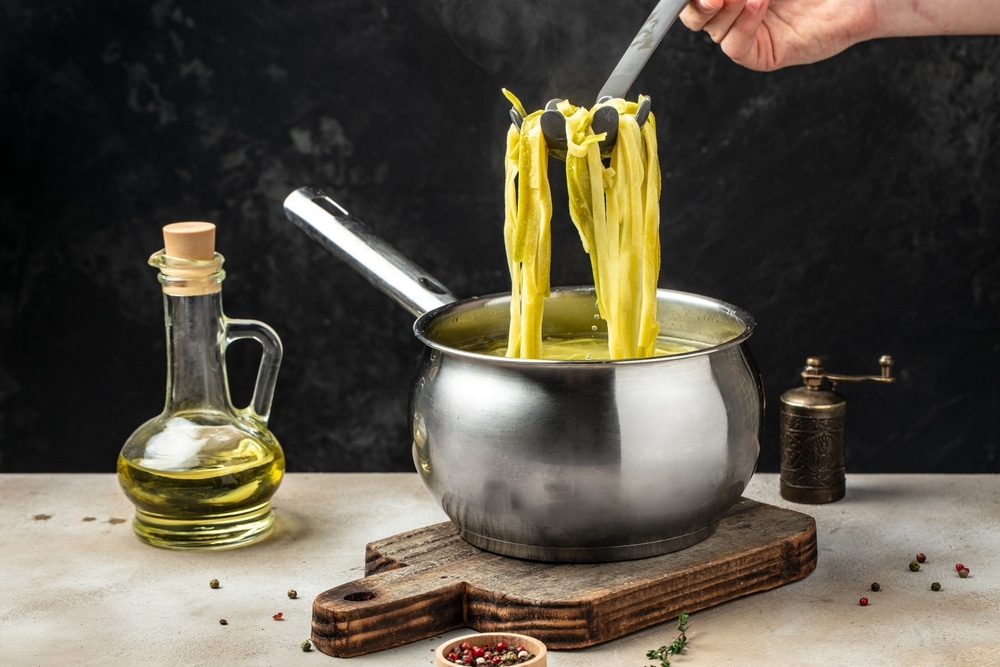
One common belief is that adding oil to pasta water prevents noodles from sticking. While oil might seem like a logical solution, professional chefs advise against it. “Pasta needs to be sticky to absorb sauce,” says Lucas Toborek. Adding oil creates a slick surface, ensuring the sauce slides right off instead of clinging to your dish.
Chef David Buico emphasizes the importance of well-salted water and stirring during the initial minutes to prevent sticking. This is far more effective than using oil. The starchy water released from cooking pasta is vital for emulsifying sauces, providing a silky texture that makes a significant difference in your meal. Save the olive oil for the finishing touches.
Never Add Cream to Carbonara
Many people, especially those who enjoyed Italian food in the ’80s and ’90s, associate carbonara with rich, heavy cream. However, chef Giuseppe Miggiano asserts that true carbonara is made without cream. Instead, it relies on the perfect combination of eggs, cheese, and starchy pasta water for its creaminess. “Using proper heat and emulsifying the ingredients creates a texture that resembles cream,” he explains.
If you’re looking for authenticity, consider using guanciale, a type of cured pork cheek. For a vegetarian option, try frying capers until crispy as a meat alternative.
Cook Garlic and Onions Separately
Many recipes call for sautéing garlic and onions together at the start, but this can lead to bitterness. Chef Lucas Toborek points out that garlic cooks much faster due to its lower water content, which can lead to burning when added too soon. This can spoil the dish’s flavor.
For best results, add garlic only after the onions or other base vegetables are cooked. If you must fry garlic on its own, start with a cold pan and low heat, stirring continuously to prevent burning.
Do Not Overfill Your Pan
It’s tempting to think you can save time by cramming everything into one pan. However, this often leads to steaming rather than browning your ingredients, affecting both taste and texture. Chef Giuseppe Miggiano advises giving each piece space in the pan to achieve that appealing color and flavor.
While it may require cooking in batches, the result is a much cleaner and lighter dish. Proper browning enhances the overall flavor, making the extra effort worthwhile.
Season Food Early, Not Just at the End
Only seasoning food at the end of cooking can lead to bland outcomes. Chef David Buico points out that seasoning should be incorporated throughout the cooking process. Adding salt early allows it to penetrate the ingredients, enhancing their natural flavors.
To maximize flavor, consider salting or marinating ingredients before cooking and continuing to season as you cook. In doing so, proteins absorb flavor, vegetables caramelize beautifully, and herbs bloom as they heat. This layered approach results in a dish that’s rich in flavor rather than just superficially salty.
Avoid Buying in Bulk Unnecessarily
Bulk shopping can be tempting, especially with deals from warehouse stores. However, if you buy more than you need, you risk wasting food. Chef Chuck Hayworth encourages purchasing only what you can realistically use within a few days.
Overbuying can lead to unnecessary waste and money down the drain. While some items can be frozen or preserved, consider how often you’ll actually use them after buying in bulk.
Save Extra Virgin Olive Oil for Low Heat
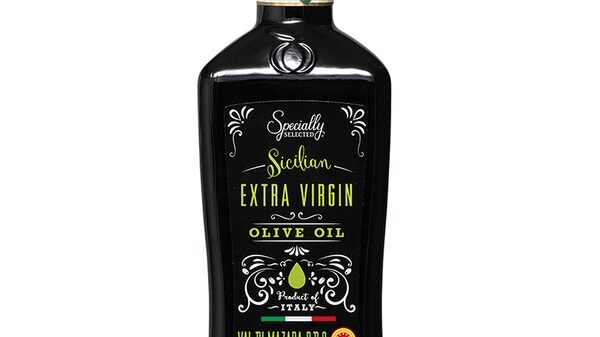
Extra virgin olive oil (EVOO) is packed with flavor and health benefits but can lose its quality when exposed to high heat. Chef Giuseppe Miggiano advises using it for low-heat applications or as a finishing touch. This preserves its flavor and health benefits.
Though studies indicate that EVOO can maintain health properties even at higher temperatures, it’s generally better reserved for salad dressings, drizzling, or low-heat cooking.
Refrain From Purchasing Unnecessary Gadgets
The kitchen gadget industry is rife with trending products that promise to revolutionize your cooking. However, purchasing items that will rarely be used is a waste of money. Chef Chuck Hayworth often sees clients buy complex devices like sous vide machines without fully committing to using them.
Think twice before you buy. While some items may genuinely enhance your cooking experience, ask yourself if you’ll utilize them regularly. The value of any gadget diminishes quickly if it ends up gathering dust.
Avoid Pressing Ingredients While Cooking
When cooking, it’s common to want to press on ingredients, but this is a practice chefs recommend avoiding. Chef Lucas Toborek explains that pressing on meat can squeeze out its natural juices, leading to dry results. Instead, allow the meat to brown before flipping it.
Similarly, resist the urge to press down on pancakes after flipping. This pushes out air bubbles, resulting in a denser texture. For best results, allow food to cook undisturbed to achieve optimal flavor and texture.
Do Not Cook in a Screaming Hot Pan
Recipes often recommend adding food to a very hot pan, but this isn’t always practical for home cooking. David Buico notes that home stoves heat unevenly, which can lead to hot spots, burned oil, and ruined dishes.
When oil reaches its smoke point, it begins to degrade, producing harmful byproducts and bitter flavors. Instead, cooking at a moderate heat will allow better control and improve your cooking results.