








Key Takeaways
- The top choice for baking butter among professionals is a grass-fed Irish butter known for its rich flavor and creamy texture, with European-style and plant-based options also receiving accolades.
- Butter products come in various forms since brands can adjust fat levels, add salt, or incorporate plant-based ingredients to achieve different textures and flavors.
- For cookies that are perfectly crisp and chewy, experts advise using softened butter for aeration, browning butter for enhanced flavor, and chilling dough to improve texture and prevent spreading.
The dairy aisle now offers a wide array of options for one beloved staple: butter.
Given that each stick, tub, or brick is produced from one basic ingredient—churned milk or cream—it’s intriguing to ponder the multitude of alternatives available.
This simple ingredient offers considerable leeway.
Per USDA guidelines, a product must contain at least 80% fat to be labeled as “butter.” Yet companies have ample room to vary fat content, add salt, incorporate plant-based substitutes, replace dairy with oil (i.e., margarine), aerate the mixture, or modify their formulations in other ways. Products labeled as “butter product” or “plant-based butter” face particularly lenient restrictions.
While this variety provides options for consumers looking for their perfect match based on dietary needs and taste preferences, it can be overwhelming for those who feel lost among the choices and want to avoid spending time and money experimenting on every item in sight.
To assist you, we present our ultimate butter guides.
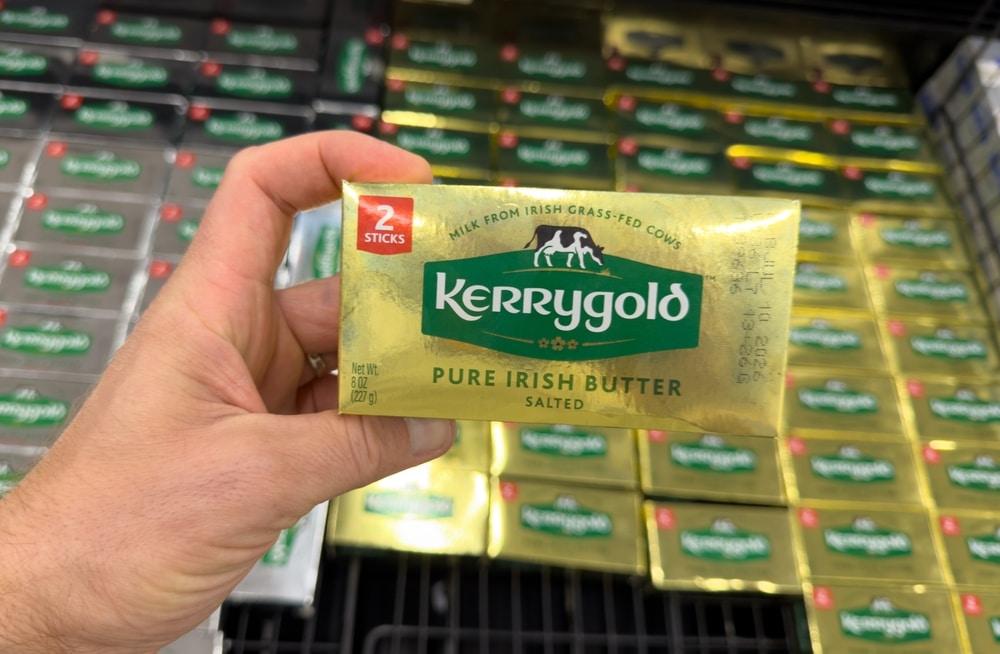
Previously, we consulted chefs to share their top recommendation for versatile butter. They unanimously agreed with culinary icons like Martha Stewart and Bobby Flay that Kerrygold Irish Butter holds the top position.
With the holiday baking season approaching, we decided to reach out to some of the nation’s finest bakers to discover what they trust for cookie preparation.
Cookies largely depend on the flavor and moisture level of fat sources, which are critical for imparting rich flavor, achieving a flaky texture, and minimizing excessive spreading.
In this guide, we will help you navigate the butter aisle to identify your best options, along with three additional worthy choices that produce delectable cookies.
Meet Our Butter-Judging Bakers
- Justine Doiron, author of “Justine Cooks” based in Brooklyn, New York
- Amy Emberling, managing partner at Zingerman’s Bakehouse in Ann Arbor, Michigan
- Peter Som, award-winning fashion designer, culinary creator, lifestyle expert, and author of the upcoming cookbook “Family Style”
- Gracie von Kriegenbergh, baker and owner of The Kookee Batch in La Quinta, California
The Qualities of the Best Butter For Baking
Paying attention to a few key details can effectively simplify your butter search for cookies.
The bakers we’ve consulted recommend looking for brands that showcase the following qualities in line with your personal preferences:
- Fat content: All bakers agree that fat content is crucial. A higher butterfat means less water, asserts Peter Som. Sufficient butterfat ensures cookies maintain their shape, prevents excessive spreading, and enhances flavor intensity. Som prefers European-style butter, which contains 82% to 90% butterfat, complying with EU standards.
- Flavor: Opt for a butter that you enjoy in its simplest form. Whether used to spread on bagels, for cooking omelets, or blending into cookie dough, “a high-quality butter is a high-quality butter,” states Justine Doiron, emphasizing that this quality shines in any application.
- Grade: It pays off to invest in flavorful Grade AA butter if available, notes Amy Emberling. If not easily found, compare prices carefully. Avoid overly cheap brands, as Gracie von Kriegenbergh points out that they usually contain less fat and yield less consistent results.
- Desired salt level: Emberling and Som prefer unsalted butter allowing more control over the salt in their cookies. Conversely, Doiron enjoys salted options, especially for sweet-salty bakes. Choose wisely based on your tastes or cookie recipe requirements.
The Best Butter for Cookies, According to Bakers
With three votes from our four bakers, Kerrygold Pure Irish Butter stands as the top choice for cookies.
Emberling appreciates its “great flavor,” stemming from the milk of grass-fed cows. She also notes its creamy texture. Doiron and Som trust Kerrygold for its consistent and dependable results, producing delicious and tender baked goods.
The runners-up, receiving one vote each, include:
- Plugrà Premium Butter: Another European butter with 82% butterfat.
- Miyoko’s Oat Milk Butters: An impressive dairy-free option praised by Doiron for its ability to brown effectively.
- Ralph’s Kroger Sweet Cream Butter: A more budget-friendly Grade AA store brand, capable of competing closely with European competitors, according to von Kriegenbergh.
How To Celebrate Butter While Baking Cookies
Our bakers kindly shared their go-to cookie recipes for the holiday season.
If you’re seeking creative ideas for your cookie tray or thoughtful food gifts, these suggestions allow the delightful attributes of your chosen butter to shine.
Pro Tips for Baking Cookies With Butter
Whether you’re opting for Kerrygold, Miyokos, or another butter or alternative, these expert tips will be invaluable this cookie season (or any time you prepare a batch):
- Use softened butter: If a recipe specifies room temperature or softened butter, this detail is essential. Creaming together sugar and softened butter requires significantly less time and effort. Dorion notes that softened butter aerates better than cold, leading to a more effective creaming process.
- Brown the butter for enhanced flavor: For recipes requiring cooled melted butter, consider browning it to add depth and a caramel nuance to the flavor. von Kriegenbergh suggests this can elevate your cookies significantly.
- Chill the dough before baking: Chilling cookie dough impacts both flavor and texture. Emberling mentions that while some recipes require chilling, checking your specific guide is vital as times can vary from half an hour to over a full day.