



















With a personal connection to German heritage through marriage, I’ve delved deeper into this fascinating cuisine. While many recognize the mainstream staples, numerous traditional recipes have quietly slipped from our plates. Reasons vary: some ingredients are harder to find, others are overshadowed by contemporary choices, leaving these once-beloved dishes less visible. Join me as we explore a selection of these delightful, historical German meals that deserve a revival.
Sauerbraten
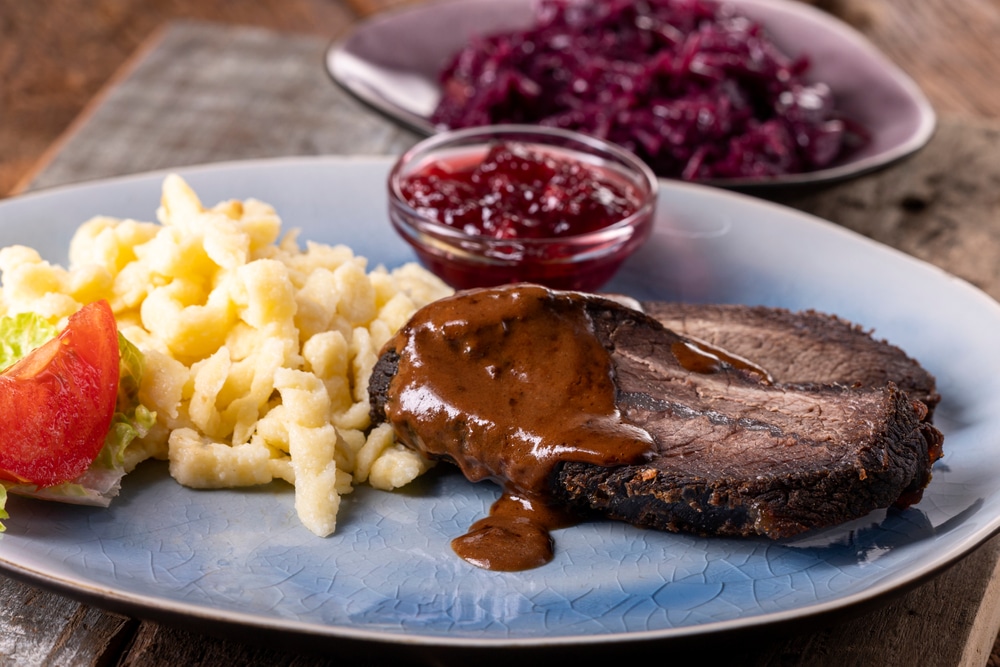
Many of us have indulged in a classic American pot roast. However, traditional German Sauerbraten offers a distinct twist to this comfort dish. With roots tracing back to the Rhineland during the Roman Empire, this meat-and-potatoes classic carries a tangy flavor profile shaped by regional variations over the ages.
Sauerbraten translates to “sour roast meat.” Its bold flavors may be a factor in its declining popularity among some diners. The degree of sourness can vary dramatically, thanks to different vinegars or wines used. Interestingly, gingersnap cookies find their way into the marinade, contributing a surprising depth of flavor. This dish does require considerable preparation time, as it needs to marinate for up to five days — not exactly something a casual cook can whip up on a whim. In comparison, most pot roast recipes require significantly less time to prepare.
Leberknödel
Once a staple in American households, organ meat has lost its appeal. As a result, Leberknödel, or liver dumplings, seldom showcase themselves on menus today. Originating from southern Germany, particularly in regions like Bavaria, these dumplings boast a unique flavor and history.
Leberknödel typically combines finely ground beef or pork liver and robust spices, usually served in a savory broth for a comforting dish. They can also be fried and presented with potatoes and sauerkraut. Despite their delightful taste, the liver ingredient can deter some diners, particularly those who are less adventurous. Lacking in visibility today, Leberknödel might just await a revival.
Himmel und Erde
Recently discovering Himmel und Erde has been a highlight of my German culinary adventures. Translating to “Heaven and Earth,” this comforting side dish of mashed potatoes and applesauce can be traced back to the 18th century. Its name refers to the earth (potatoes) and heaven (apples) — though it may sound peculiar, the sweet and savory fusion creates a delightful experience.
Traditionally paired with blutwurst, or blood sausage, Himmel und Erde remains a beloved regional dish in parts of Germany. While some may find comfort in appearing on U.S. menus, it rarely graces our tables during American meals. This unique pairing deserves more recognition.
Eisbein
While pork knuckle has its place in culinary history, Eisbein, or “ice leg,” has not seen the same mainstream success. This traditional German dish features brined and boiled pork knuckle, often served alongside peas and sauerkraut. With roots dating back to the 18th century, its appearance might not be stunning, but its flavor surely is.
Although hard to find in U.S. restaurants, variations exist that provide a nod to Eisbein. Pork knuckle dishes have gained traction, particularly when served crispy. Its visibility during Oktoberfest events is a sign of its enduring charm.
Saumagen
Saumagen, or “sow’s stomach,” represents a historical approach to food waste. Originally from the Palatinate region, this dish uses various ingredients such as potatoes and pork, creatively stuffed into a pig’s stomach casing. While it gained notoriety in the late 20th century thanks to a high-profile champion, it still remains relatively obscure in American culinary landscapes.
Though less accessible in butcher shops and restaurants, Pennsylvania Dutch regions serve similar dishes that echo Saumagen’s spirit, ensuring that traditional flavors live on.
Blutwurst
When considering German sausage, many think of the beloved bratwurst. Yet, Blutwurst, or blood sausage, is another cousin that often faces hesitation. It emerged as an affordable staple centuries ago, deriving its name and color from animal blood.
Throughout Germany, various adaptations exist, enhancing its traditional flavors. Although some communities treasure Blutwurst at festivals and meals, American diners may shy away due to unfamiliarity with blood-based dishes or regional preferences. Its potential for revival remains hopeful.
Sülze
While gelatin-based dishes were once commonplace in homes, Sülze is currently less favored in American cuisine. In Germany, this meat aspic enjoys a reputation for its nutrition, commonly served cold with bread and pickles. In historical contexts, aspics served crucial preservation roles before modern refrigeration.
Despite their retro appeal, gelatinous dishes have transformed, as many prefer fresher options today. Sülze keeps its charm intact, sustained by regional delis and traditional gatherings.
Matjesfilet
Matjesfilet, a pickled herring dish, holds a rich legacy in Northern Germany. Derived from its Dutch counterpart, this specialty showcases salted and aged herring in culinary celebrations, remaining a vibrant part of festivals today.
While variations exist across America, few highlight pickled fish as the star attraction. Although North American flavors often lean toward milder profiles, Matjesfilet deserves recognition in contemporary culinary exploration.
Königsberger Klopse
German meatballs, or Königsberger Klopse, offer an intriguing alternative to Italian and Swedish versions wildly recognized in the U.S. Originating from the city of Konigsberg (now Kaliningrad, Russia), these meatballs gained prominence through traditional celebrations.
These unique meatballs feature a creamy caper-based sauce, setting them apart from typical tomato or sweet sauces found elsewhere. Anchovy paste and veal may be used traditionally, making them particularly distinct. Despite their delightful flavor, anchovies may alienate some, yet appeal to adventurous eaters willing to explore.
Labskaus
Labskaus springs from the seafaring traditions of 16th-century German sailors, combining hearty ingredients like potatoes and corned beef into a filling breakfast. This dish is adorned with vibrant beetroot and garnished with pickles, captivating those who dare to indulge.
Although traditionally a working-class meal, Labskaus has transcended its origins, hinting at revival through popularity trends. Today, chefs innovatively reinterpret this classic in urban culinary scenes.