









Many everyday foods contain surprising amounts of sodium—more than you’d find in a small order of French fries.
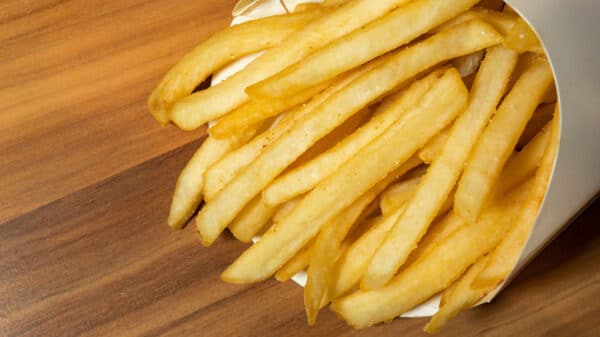
It’s well-known that French fries are high in sodium, which contributes to their deliciousness. Enjoying them occasionally should not be concerning, but a diet too high in sodium can lead to serious health issues such as hypertension, and can cause short-term effects like bloating and thirst. The FDA recommends a daily sodium limit of 2,300 milligrams (mg). For context, a small serving of Jack in the Box fries contains about 610 mg of sodium. Most dietary sodium—over 70%—actually comes from packaged and prepared foods, rather than the salt we add while cooking or at the table. Here are six common foods that contain more sodium than a serving of French fries.
Subway Chicken Salad
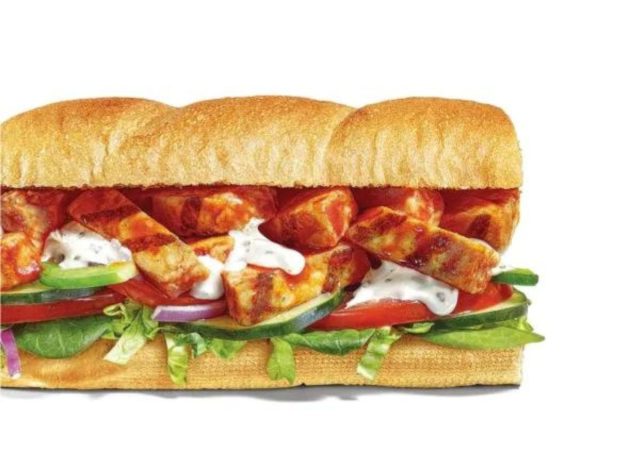
A Buffalo Chicken Salad from Subway packs 1180 mg of sodium. For comparison, a Grilled Chicken Salad has a more reasonable 280 mg, and the Veggie Delight only has 75 mg. If you opt for the Pizza Sub Wrap, prepare for a whopping 2290 mg of sodium, nearly reaching an entire day’s worth of the FDA’s recommendation.
Canned Soup
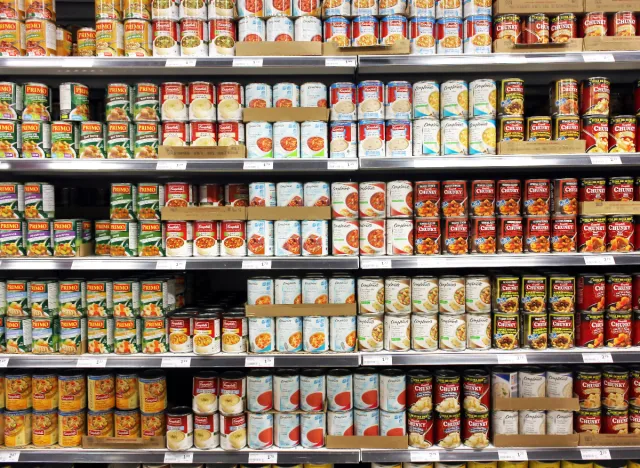
A typical can of soup may have far more sodium than you realize. An average serving contains 700-800 mg of sodium, according to Samantha Oldman, MS, a bariatric dietitian. Plus, remember that a can usually has two servings. If you finish a whole can, you’re ingesting 1400-1600 mg of sodium, which can be up to 70% of your daily limit.
Lunch Meats
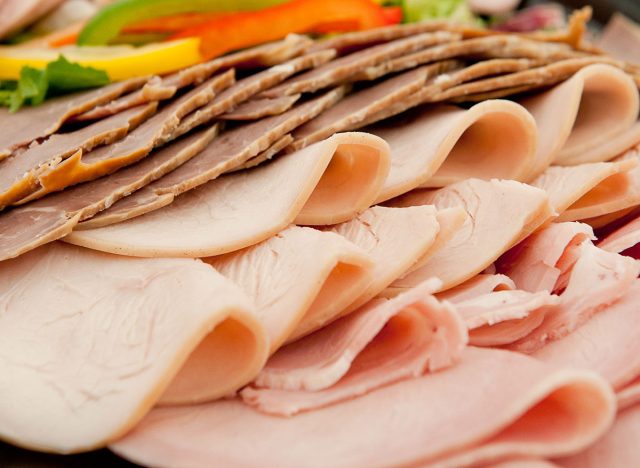
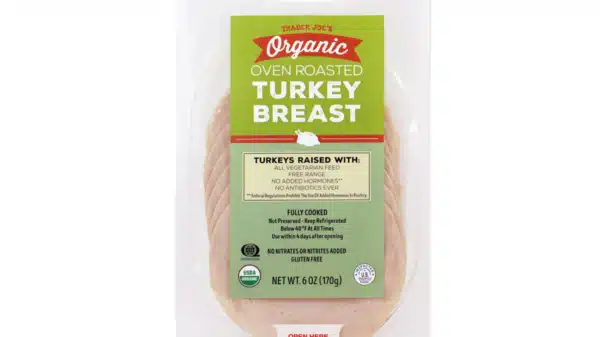
Lunch meats can contain significant amounts of sodium. Fresh meats like beef, pork, and poultry usually have low sodium levels. However, lunch meats can have 400 mg or more of sodium per slice. Even frozen meats may be soaked in salt brine during processing to keep moisture.
Supermarket Bread
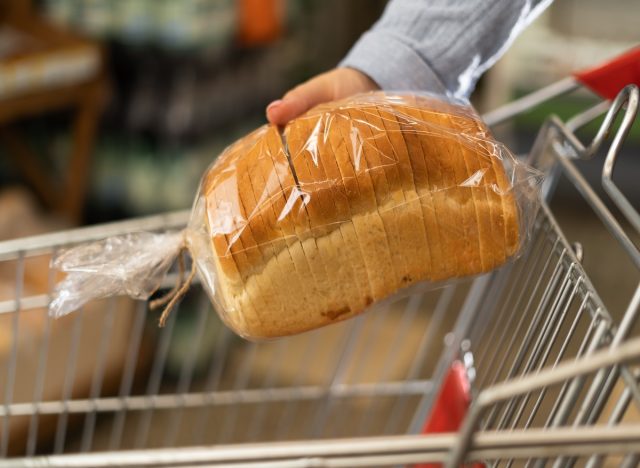
Common supermarket bread can be surprisingly high in sodium. Typically, a slice contains 100-200 mg of sodium, according to Oldman. This means that just the bread in one sandwich could represent 8-18% of your daily sodium allowance.
Cheese
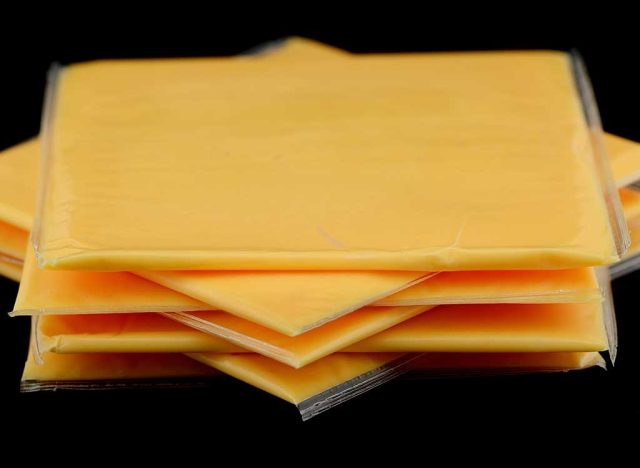
Cheeses often contain significant amounts of salt. Salt is crucial for preserving cheese and achieving its texture. For instance, one ounce of feta cheese packs about 320 mg of sodium, while processed cheeses can exceed 425 mg per ounce, as pointed out by experts at St. Vincent’s Medical Center.
Salad Dressing
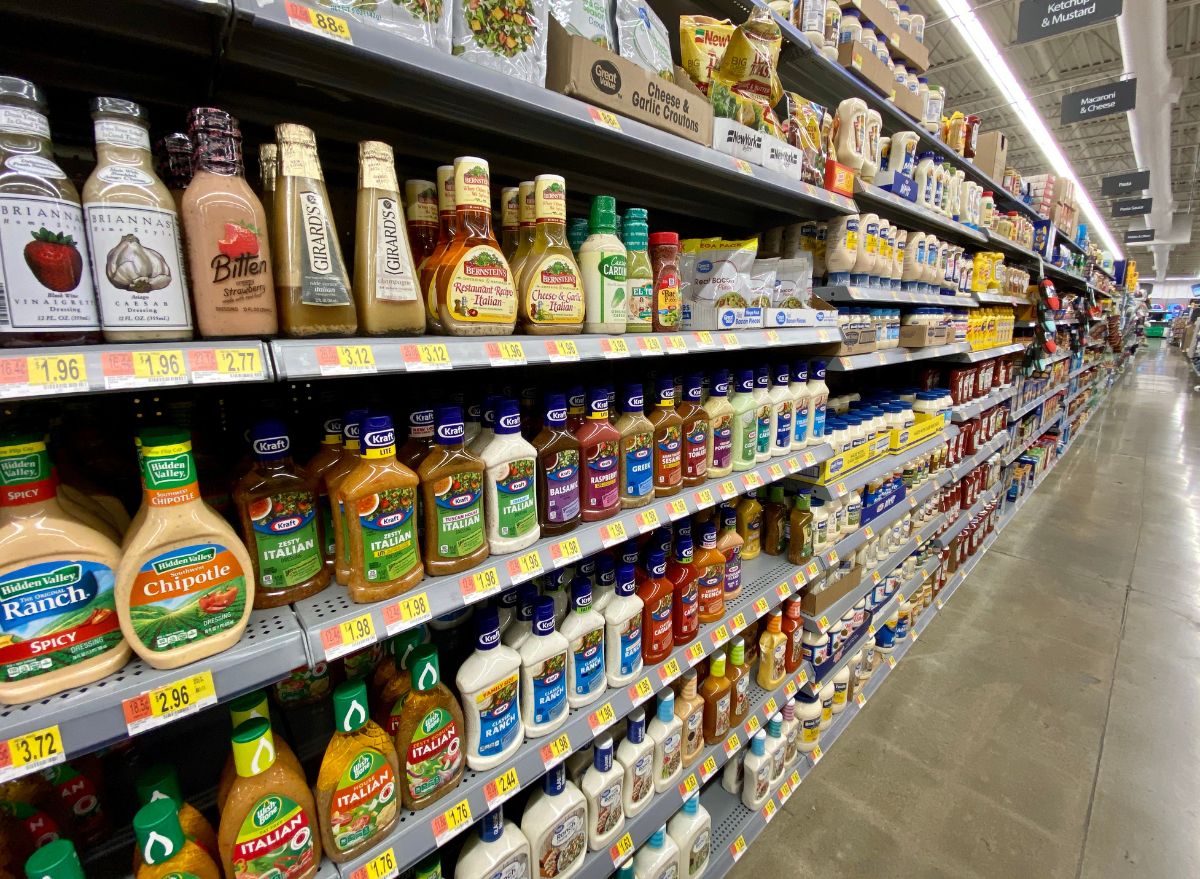
Salad dressings, particularly those labeled as low-fat, often come with high sodium content. Many light options compensate for reduced fat by adding extra sugar or salt. A standard serving of salad dressing can have 200-400 mg of sodium, but most people usually use more than that.