







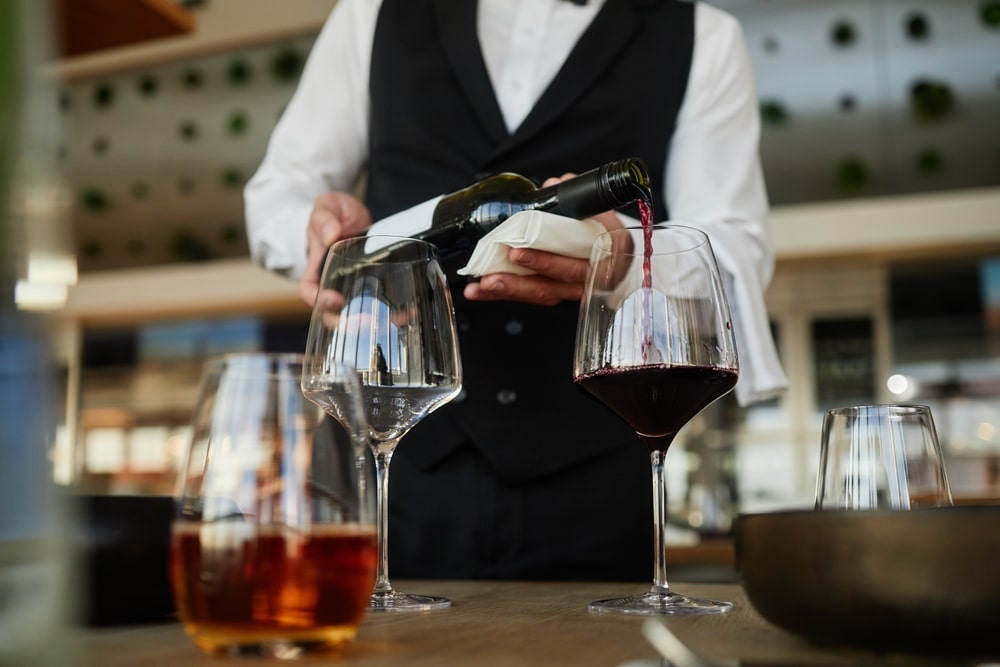
Bringing home a bottle of wine from an unforgettable dinner has a certain bittersweet feeling.
In the restaurant, the atmosphere was vibrant, layered with flavors and experiences that felt almost enriching.
At home, though, in the midst of chores, that same wine might taste just okay.
What happened to that special feeling?
Many people have experienced this scenario.
You try to recreate that amazing vacation moment when you were sipping wine in a beautiful location.
As veteran server and restaurant manager Allen Stafford notes, “Having the same Tuscan bottle doesn’t guarantee the same experience.”
This realization isn’t necessarily a disappointment; if replicating that magic were simple, the charm of dining out might diminish.
So, why does wine taste different when you’re dining out, vacationing, or at a stunning vineyard?
It comes down to chemistry, psychology, and the delicate art of hospitality.
Fortunately, you don’t need a luxe wine decanting setup at home to enjoy a similar experience.
All it takes is understanding the elements that contribute to that captivating feeling.
Food complements wine (and vice versa)
In restaurants, wine is rarely enjoyed on its own.
As wine writer Christina Pickard explains, “Food and wine go hand in hand.”
A well-curated wine list is meant to enhance the menu.
When a sommelier pairs wines with dishes, “the flavors and textures on the plate should bring out those in the glass, and vice versa.”
Stafford recalls an experience at an Italian wine dinner at New York City’s Union Square Café, where the chef served perfectly paired chunks of 10-year-old Parmigiano Reggiano with a rich, fruity red.
The combination felt almost surreal as they merged seamlessly in his mouth.
Stafford describes it as if the wine softened the cheese and created an exquisite, salty experience—truly unforgettable.
That’s the essence of what makes dining out magical: the choices have already been crafted by someone else.
Glassware and temperature are based on science
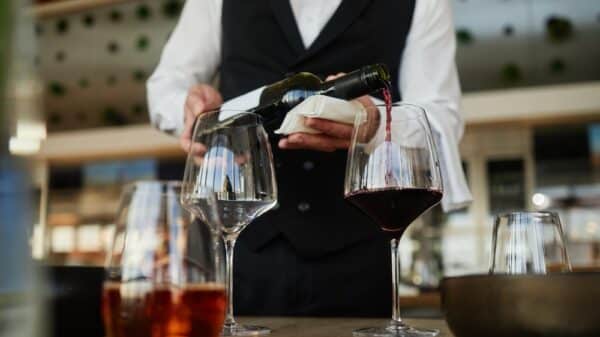
One area where restaurants excel is in the basics: proper glassware and serving temperature.
“Glassware is crucial, and so is temperature,” Pickard insists.
The shape of the glass influences how the wine interacts with oxygen, allowing you to swirl it adequately.
Temperature is just as essential.
“Sip a light, refreshing red slightly chilled, and you will appreciate it more,” says Pickard.
“However, refrigerate a full-bodied wine to a temperature that feels too cold, and it can taste unnatural and harsh.”
Conversely, serving big reds too warm can make them feel heavy and difficult to enjoy.
In quality restaurants, these details are meticulously considered.
At home, we often expect wine to adjust to our environment—and it simply won’t.
Service is an experience, and that experience impacts taste
Wine often comes with its own set of anxiety-inducing elements: the terminology, the price, and the fear of making a poor choice.
Quality service removes that anxiety, replacing it with assurance and enjoyment.
Pickard notes, “It feels wonderful to be cared for by a wine expert.
You can breathe easy and savor the wine in front of you.”
Belinda Chang, sommelier and James Beard Award winner
“Everything tastes different when I know who made it for me and the place that it came from.”
— Belinda Chang, sommelier and James Beard Award winner
Stafford emphasizes that good wine experiences often come from an informed staff who can engage with customers.
You are not expected to know everything about wine; in fact, it can be a learning opportunity.
Belinda Chang, a Chicago-based sommelier, points out that storytelling enhances flavor.
“Crafting an experience,” she says, whether through the vineyard’s romance, family history, or distinct winemaking process, takes wine enjoyment to another level.
“Everything tastes different when I know who made it for me and the place that it came from.”
Restaurants curate the atmosphere
Another element influencing the wine experience is the environment, which often goes unnoticed until something disrupts it.
Stafford observes that restaurants control variables that might otherwise interfere with your experience at home.
“The atmosphere is usually well-regulated,” he states, and staff may be restricted from wearing strong scents.
This limits potential distractions from the wine itself.
Chang sees the restaurant as a carefully crafted stage.
“The ambiance plays a significant role,” she explains.
She appreciates “the delightful sound of the cork being removed,” the “clink of glasses,” and even the “beautiful pouring” of Champagne.
However, vibe is also crucial.
Chang recalls tasting a “elegant, seductive red Burgundy Pinot Noir” while intense rap music played in the background.
While not wrong, it didn’t fit the mood; the disharmony between ambiance and wine is perceptible and impacts taste.
Your mindset affects your palate—so does the price
Dining out encourages us to be more engaged and focused on the wine than we might typically be at home.
Pickard mentions, “A restaurant setting prompts us to pay attention to what’s in our glass.”
Cost also plays a role.
“Ordering wine in a restaurant is often expensive,” she points out.
“When you understand you’re paying a premium, your appreciation tends to increase.”
Tips to make wine at home taste more like restaurant wine
You may not replicate Tuscany, but you can integrate some restaurant practices into your home.
Invest in quality glassware.
“Good glassware is essential,” emphasizes Pickard.
She personally enjoys her everyday Schott Zwiesel set, which is both durable and sophisticated, elevating her wine experience.
Mind the temperature.
Pay close attention to temperature, especially for reds that often taste better when slightly chilled.
Avoid strong scents.
“Stay away from candles and heavy fragrances,” Stafford recommends, as they can overwhelm your palate.
Create a delightful ambiance.
“Think of restaurants as theaters,” Stafford says.
They are designed to provide an escape.
At home, set a cozy atmosphere with soft lighting and thoughtful music to match the mood.
Craft a story around your wine.
Stafford advises to learn a little more about wine than you previously knew.
Remember, “every vintage presents a new opportunity for knowledge, so cut yourself some slack—no one knows everything.”
The simplest tip comes at no cost.
“Be present at your own dinner table,” Pickard suggests.
“Light some candles, put away your phone, and savor the wine before you.”
Whether you find yourself in a restaurant, on a sunlit terrace, or standing at your kitchen counter avoiding the ever-growing pile of dishes, the true essence isn’t in the wine bottle.
It lies in the moment shared.