








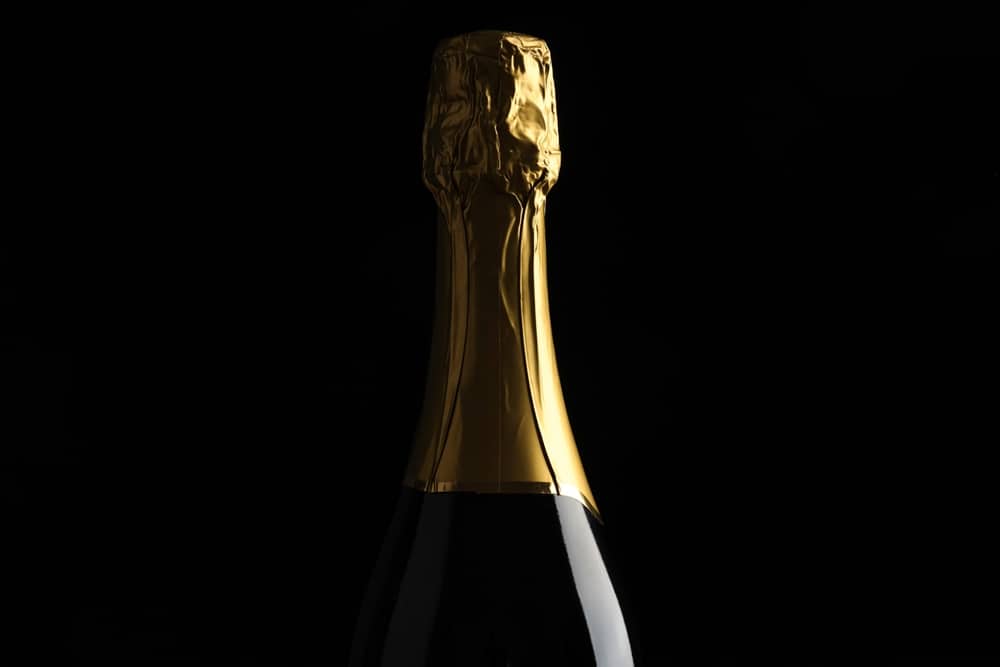
Standing before an array of Champagne bottles, each foil topper glistening under the light, offers a rush of excitement. However, tucked away discreetly on the label is a small yet significant code that can alter your entire tasting experience. Those two letters: RM.
The term “RM” signifies récoltant-manipulant, which translates to grower-maker. This essentially refers to what enthusiasts often call grower Champagne.
While established Champagne houses like Moët and Veuve produce exceptional wines with remarkable consistency, RM bottles offer something completely distinct: a direct connection to the terroir, climate, and craftsmanship behind the wine.
It’s Champagne that tells a story, one with a unique perspective.
“As someone also known as ‘The Champagne Evangelist,’ my passion for grower Champagne spans over a decade,” shares Davon D.E. Hatchett, a wine law attorney and Champagne aficionado, also referred to as The Bubbleista. “Each bottle of grower Champagne encapsulates the dedication necessary to evolve from merely cultivating grapes to crafting wine. RM Champagnes embody this devotion to farming, reflecting the pride invested in the harvest.”
Historically, small growers sold their grapes to larger producers who created blended wines from many regions. This model contributed to the fame of Champagne but often left small growers without their own bottled wines.
However, a notable shift occurred in the mid-20th century as various families reclaimed their vineyards. They cultivated their land meticulously and crafted wines showcasing their unique characteristics. These pioneers were the first récoltant-manipulants, and the RM symbol became their hallmark of independence.
What does RM mean for the wine in your bottle?
A Champagne labeled as a grower-maker signifies it is crafted primarily from estate-grown grapes. Unlike négociant-manipulants, marked by “NM” on the label, RM producers predominantly utilize their own vineyards, often small plots handed down through generations. This practice results in wines deeply connected to their origins: the chalky essence of Avize, the vibrant fruitiness of Aÿ, the salty crispness of northern Montagne de Reims.
Some growers produce only a few thousand bottles annually, each crafted with careful precision. The techniques applied during fermentation and maturation become expressive choices that define the wine’s identity. Additionally, RM producers often use lower dosage levels, allowing the fruit’s inherent qualities to shine.
“Compared to major Champagne houses, RM producers have greater freedom to explore their creativity in winemaking, providing flexibility in techniques, blends, and an emphasis on terroir,” explains Hatchett. “This often leads to the production of engaging and versatile wines that can vary year to year, which is a thrilling experience for Champagne enthusiasts.”
Tasting the vintage at a value
Many Champagne lovers appreciate RM bottlings for encapsulating a snapshot of the vintage in your glass. While non-vintage grower options exist, they contrast with the consistent profiles of larger houses, changing more easily each year. They mirror climate variations, including rainfall and sunshine, adding to the excitement.
“I choose grower Champagnes for numerous reasons,” states Blaine Ashley, founder of New York Champagne Week. “First, you’re supporting small businesses and the farmers who cultivate the grapes. This results in distinct representations of each grower’s terroir.
Secondly, these bottles embody meticulous craftsmanship over mass-produced alternatives, ensuring a higher level of quality. Additionally, many grower-producer Champagnes retail for under $100, providing an opportunity to invest in authentic, quality wines while supporting the growers directly.”
Discovering RM Champagnes is simple. Turn the bottle around, or glance under the producer’s name for the two-letter code, followed by numbers. Seek “RM” as your indicator. Other codes indicate different types of producers, such as NM for négociant-manipulant, CM for cooperative-made, and RC for cooperative-grown Champagne.
“A bonus for your wallet: Typically, a bottle of grower Champagne can cost 10–20% less than a Grande Marque, offering more value for your investment,” asserts Hatchett.
The next time you’re browsing Champagne options, let those two letters guide your choice. RM Champagnes may be more understated and unique, but the personal touch they offer is precisely what makes them special.
Five RM Champagnes to try
NV Dehours & Fils Grande Réserve Brut ($58)
“I appreciate Meunier-dominant Champagnes, making this wine a current favorite,” notes Ashley. It features delightful notes of poached pear, white flowers, and toasted brioche, balanced by a refreshing citrus touch.
NV Egly-Ouriet Brut Tradition Grand Cru ($170)
“If you wish to fall in love with RM Champagnes instantly, the renowned fourth-generation family-owned Egly-Ouriet is the recommended choice,” asserts Hatchett. “Their Grand Cru vineyards in Ambonnay (Pinot Noir), Bouzy (Pinot Noir and Chardonnay), and Verzenay (Pinot Meunier) result in artisanal, highly regarded Champagnes known for their depth and richness, which is reflected in their premium price point.”
NV Famille Moussé L’Esquisse Blanc de Noirs Extra Brut ($65)
“Champagne Famille Moussé was a pioneer in utilizing Meunier widely, a grape previously considered less significant,” Hatchett mentions. “Known for producing several 100% Meunier Champagnes, including the first 100% Meunier Club Trésors Champagne, featuring alluring aromas and fruit-forward character. I’m thoroughly impressed.”
NV Pierre Péters Cuvée de Réserve Grand Cru Blanc de Blancs Brut ($80)
“For fans of Chardonnay-dominant Champagnes, Pierre Péters offers a quintessential Grand Cru Blanc de Blancs experience,” states Ashley. “Delightful notes of brioche, complemented by almond, lemon, apple, and apricot flavors.”
NV Robert Moncuit Les Grands Blancs Grand Cru Blanc de Blancs Extra Brut ($68)
“Robert Moncuit introduced me to the RM category, sparking my journey into the world of grower Champagne,” says Hatchett. “This producer focuses solely on Chardonnay sourced from the eminent Côte des Blancs vineyards. Their Bright and citrusy Blanc de Blancs express elegance, mineral depth, and floral intricacies.”