









- Soups taste better the next day as flavors meld and seasonings distribute evenly.
- Cooling, storing, and gentle reheating keep leftover soup safe and flavorful.
- Some starches like noodles and potatoes may get mushy, so store them separately.
Few dishes are as nourishing and comforting as a warm bowl of soup.
The origins of the word “restaurant” can be traced back to the French verb “restaurer,” meaning “to restore.” This term was originally linked to the restorative broths sold in 18th-century Paris, providing nourishment to those in need.
Even today, soup embodies comfort and nutrition and serves as an ideal meal prep option for anyone looking to enjoy a hearty dish during colder months.
Have you ever found that soups taste remarkably better the next day?
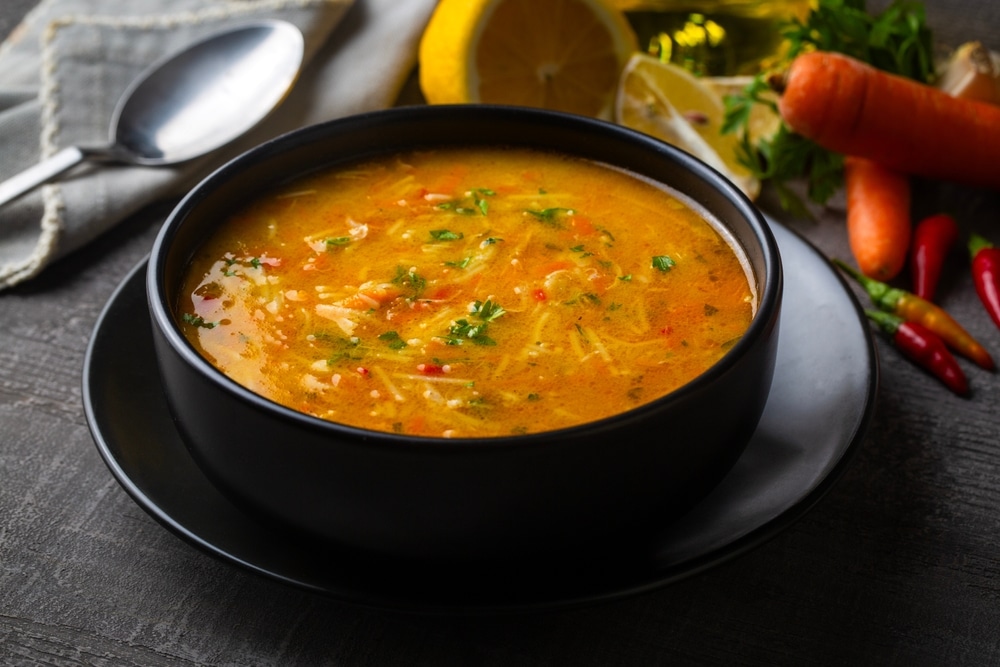
From a homely chicken noodle to a creamy white bean variety, the flavors typically deepen and enrich overnight.
This intriguing transformation prompted me to consult chefs and food scientists for insights into this delicious scenario.
Why Soups Taste Better the Next Day
The phenomenon of soup tasting superior the next day is genuinely supported by culinary experts.
Chef Greg Garrison explains that fresh soups often have distinct flavors that can feel disjointed.
After resting overnight in the refrigerator, everything begins to blend, with the broth drawing out more flavor from the vegetables, beans, or meat. The seasoning also incorporates evenly, resulting in a harmonious blend rather than a disjointed taste.
It’s also observable in stews, gumbos, and chowders, which become richer and more cohesive after a night of chilling.
This improvement holds true for cold soups, like gazpacho or vichyssoise, signaling the journey of flavor maturation.
According to Chef River Hill, the adage that “soups are always better the next day” has real merit.
As flavors meld over time, sharper seasonings distribute more evenly, and ingredients absorb the broth, enhancing the overall flavor experience.
Chemical changes also occur, such as the breakdown of proteins into amino acids.
What scientifically occurs during this process?
Jessica Gavin, a certified culinary and food scientist, conveys that tangible changes happen when soup cools.
“The improved flavor of next-day soup can be attributed to flavor diffusion,” she remarks.
Even in a fridge, soluble components like salt, sugars, acids, and amino acids gradually migrate within the soup.
This migration serves to distribute seasonings more evenly and encourages further infusion of flavors from vegetables, meats, herbs, and spices, resulting in a well-balanced soup when it’s reheated.
Chef Richard LaMarita offers a metaphor for this process, likening it to aging a fine wine or cheese.
In culinary terms, “marrying” means that flavor compounds combine and shift in concentration, leading the soup toward a more balanced profile.
Tips for Utilizing Leftover Soups
Preparing soup in advance to enhance flavors is not just a home cook’s secret.
Chef Garrison highlights this by mentioning their tomato bourbon soup, which benefits from cooling and reheating, allowing fats and starches to redistribute for an amplified flavor and improved texture.
This notion underscores the idea that certain soups shine brighter when allowed to rest.
Here are some essential tips for handling and enjoying your leftover soups:
- Cool the Soup Before Refrigerating. It’s vital to handle leftover soup properly to avoid harmful bacteria. Aim to never leave soup out for longer than two hours, as this is when bacteria proliferate. Consider using shallow containers or placing the pot in an ice-water bath, stirring until cold before putting it in the fridge.
- Store Soup Safely. For optimal preservation, transfer the soup to an airtight container. Chef Garrison suggests portioning it into smaller sizes rather than storing it in a single large pot. This approach aids in quicker cooling and provides convenient grab-and-go meals.
- Keep for a Few Days, or Freeze. Storage in the refrigerator is best kept for three to four days. If longer preservation is desired, move it to a freezer-safe container, keeping it fresh for up to two months.
- Reheat Slowly. When it’s time to serve your leftovers, gently heat the soup in a small pot over moderate low heat until boiling. Chef Garrison suggests adding extra liquid if needed, depending on how much broth your starches have absorbed. Adjust seasoning as necessary.
- Some Starches Don’t Age Well. LaMarita indicates that starches such as noodles or potatoes can turn mushy and unappealing over time. Consider storing those ingredients separately when possible.
Our Expert Take
There’s nothing quite like making a large batch of soup on Sunday, knowing you will enjoy delicious leftovers throughout the week.
As the soup sits, it only improves in flavor.
Flavor compounds such as salt, sugars, and amino acids migrate throughout the liquid, creating a balanced taste that resonates with comfort.
To ensure safety and quality, cool the soup within two hours after cooking and store it securely in an airtight container.
When you reheat gently, you’ll reward yourself with a nutritious and delightful bowl of soup that surpasses its original flavor.